







Take classes toward your degree and gain knowledge of the global marketplace.

Make an impact! Study your major or language and volunteer in your free time.

Study intensive language and learn the culture. Experience life as a local.

Looking for something short term? Summer offers three weeks to full summer programs.

Spend a full semester or a year exploring a new country to call home.

Science, technology, engineering, and math: study abroad has a place for you.


Study abroad has evolved to incorporate more than just language and culture. Students have access to all majors abroad so they can stay on track for graduation, while building their resume and experiencing the personal growth of living abroad.
CCIS programs are developed and managed by accredited U.S. institutions so you can feel confident and secure knowing your child’s academics, program quality, safety, and security are taken care of the same as on a U.S. campus.
CCIS is a member-driven non-profit, dedicated to working collaboratively to create the most effective and relevant study abroad opportunities for students while also building capacity on our own campuses to suppo rt internationalization efforts.
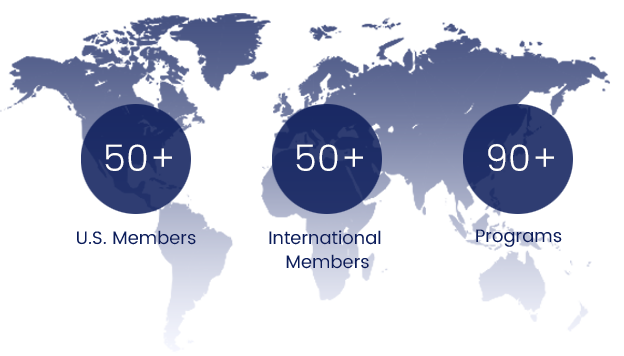
We are a partnership of colleges and universities - two and four year, large and small, public and private, domestic and foreign - encompassing the broad spectrum of international higher education. CCIS members sponsor a variety of programs, notably study abroad programs and capacity building initiatives to enhance international and intercultural perspectives within the academic community.
Recognizing the value of such experiences in fostering global understanding and peaceful cooperation among nations in an increasingly interdependent and rapidly changing world, CCIS is committed to developing international dimensions as an integral part of collegiate education. CCIS works to build collaborative arrangements among institutions who share this commitment, and to facilitate linkages between member institutions and international partners. In all of its programs and activities, CCIS strives for a high level of academic excellence.